Can Full-Stack Skills Help You Get High-Paying Jobs?

Full-stack development is a key IT skill today. Freshers who master it earn higher salaries, have better job prospects, and experience greater growth. Companies prefer developers who can handle both frontend and backend, making full-stack roles well-paid and in demand.
Many beginners now join a Full-Stack Developer Course in Chennai to gain practical skills and improve their chances of getting high-paying jobs. It refers to managing both the user interface and server-side functionality of an application. The frontend includes everything users see, like buttons and layouts, while the backend handles data, servers, and logic. Unlike specialists, full-stack developers understand the complete system. They can build user interfaces, manage databases, and deploy applications. This broad knowledge helps them solve problems quickly and work efficiently in any development team.
Why Do Companies Prefer Full-Stack Developers?
Key reasons:
- Cost efficiency
- Faster development
- Better communication
- Quick problem-solving
- Flexibility
- Improved collaboration
- Higher productivity
- Reduced team dependency
- Faster project delivery
- Better resource utilization
How Full-Stack Development Helps Freshers Secure High-Paying Jobs
For freshers entering the job market, standing out from the competition is challenging. Most entry-level candidates lack professional experience, making it difficult to demonstrate their value to potential employers. Full-stack development addresses this challenge by providing practical, job-ready skills that companies actively seek.
High Market Demand: The demand for full-stack developers continues to grow across industries. From startups to large enterprises, organisations need professionals who can build complete web applications. This high demand translates to more job openings and better negotiating power for candidates.
Competitive Starting Salaries: Full-stack developers often receive higher starting salaries than single-skill developers. Companies value their ability to handle multiple tasks, so they offer better pay.
Broader Job Opportunities: With full-stack skills, freshers can apply for a range of positions, including web developer, software engineer, frontend developer, backend developer, and full-stack developer roles. This flexibility increases job prospects significantly.
Freelancing Potential: Full-stack knowledge enables freshers to take on freelance projects independently. They can build complete applications for clients without needing additional team members, creating opportunities for extra income while gaining experience.
Startup-Friendly Skill: Startups particularly value full-stack developers because they need team members who can wear multiple hats. For freshers interested in the startup ecosystem, these skills open doors to exciting opportunities.
Career Advancement: Full-stack developers have clearer paths to senior positions like technical lead, architect, or engineering manager. Their comprehensive understanding of systems makes them natural candidates for leadership roles.
Basic Skills Needed For A Full-Stack Developer
Becoming a successful full-stack developer requires mastering a combination of frontend, backend, and supporting technologies. While the specific tools may vary by company, certain core skills remain universally valuable.
Frontend Technologies:
HTML5 forms the structure of web pages. Every full-stack developer must understand semantic HTML, accessibility principles, and modern HTML features.
CSS3 handles the visual styling of applications. Knowledge of responsive design, flexbox, grid layouts, and CSS preprocessors like SASS is essential.
JavaScript powers dynamic and interactive features on websites. Mastery of modern JavaScript (ES6+) is crucial, including concepts such as promises, async/await, and arrow functions.
Frontend frameworks like React, Angular, or Vue.js help build complex user interfaces efficiently. Learning at least one popular framework is necessary for most jobs.
Backend Technologies:
Server-side programming languages such as Node.js, Python, or Java enable developers to write business logic and handle data processing. Each language has its strengths, and learning one thoroughly is more valuable than superficial knowledge of many.
API development skills allow applications to communicate effectively. Understanding RESTful API design, HTTP methods, and status codes is fundamental.
Authentication and authorization ensure application security. Knowledge of JWT tokens, OAuth, session management, and security best practices protects user data.
Database Management:
Relational databases like MySQL and PostgreSQL organise data in structured tables. Understanding SQL queries, joins, and database normalisation is important.
NoSQL databases like MongoDB offer flexibility for unstructured data. Knowing when to use relational versus NoSQL databases demonstrates architectural thinking.
Development Tools:
Version control with Git and GitHub enables collaboration and code management. Every developer must understand commits, branches, merging, and pull requests.
Command line proficiency helps navigate systems and run development tools efficiently. Basic Linux commands are particularly useful.
Cloud platforms like AWS, Azure, and Google Cloud help developers host and deploy applications. Learning basic cloud concepts can improve your career opportunities.
Where To Learn Full-Stack Development Effectively
Choosing the right learning path is important for success in full-stack development. Learning from the Best Software Training Institute in Chennai helps you gain practical skills, real-time project experience, and proper guidance. Infycle Technologies is a good choice for freshers, as it offers hands-on training, updated technologies, and placement support.
Salary Expectations For Full-Stack Developers
Full-stack development offers strong earning potential for freshers. Salary depends on skills, projects, and location. Freshers can get good starting packages, especially in metro cities. Candidates with real-time projects often earn higher pay. Salary growth is also fast with experience.
According to Glassdoor and Stack Overflow, full-stack developers enjoy competitive salaries and strong industry demand.
Portfolio Projects That Impress Employers Building practical projects is one of the most effective ways for freshers to demonstrate their capabilities. Hiring managers value hands-on experience significantly more than certificates or coursework alone.
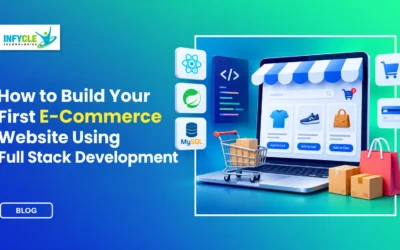
E-commerce Website: Create a complete online shopping platform with user authentication, product catalogues, shopping cart functionality, payment integration, and order management. Include both customer and admin interfaces.
Social Media Application: Build a platform where users can create profiles, post updates, follow others, like and comment on content, and receive real-time notifications. This showcases your ability to handle complex data relationships.
Job Portal Platform: Develop a system where companies post job openings and candidates apply. Include features such as resume uploads, application tracking, and skills-based matching algorithms.
Real-time Chat Application: Implement WebSocket technology for instant messaging. Add features like group chats, file sharing, online status indicators, and message history.
Personal Portfolio Website: Design a professional portfolio showcasing your projects with detailed case studies. Include the technology stacks used, the challenges overcome, and the results achieved. Add a blog section to demonstrate communication skills.
Each project should be deployed and accessible via a live URL. Include comprehensive README files explaining the project, setup instructions, and technologies used.
Common Mistakes Freshers Should Avoid
Many beginners make common mistakes while learning full-stack development, which slows their progress. Relying only on tutorials without building projects leads to weak practical skills. Learning too many technologies at once creates confusion. Ignoring basics like JavaScript and databases causes gaps in knowledge. Avoiding challenging projects limits growth. Poor coding practices, lack of feedback, and inconsistent learning habits also affect improvement. Staying focused, practising daily, and building real projects help you learn faster.
Effective Learning Strategy For Full-Stack Development
Follow a step-by-step approach to learn full-stack development effectively:
- Phase 1: Learn HTML, CSS, and JavaScript basics
- Phase 2: Learn frontend frameworks like React or Angular
- Phase 3: Learn backend development (Node.js or Python)
- Phase 4: Understand databases (SQL and NoSQL)
- Phase 5: Practice integration and deployment
- Phase 6: Build projects and create a strong portfolio
Diverse Career Paths For Full-Stack Developers
Full-stack development opens doors to numerous career trajectories. Unlike specialists limited to specific roles, full-stack developers enjoy flexibility in their career paths.
Full Stack Developer: Work on complete application development from user interface to database management.
Frontend Developer: Specialises in user experience while maintaining backend knowledge for better team collaboration.
Backend Engineer: Focus on server-side logic, databases, and APIs while understanding frontend requirements.
DevOps Engineer: Bridge development and operations using your comprehensive technical knowledge.
Technical Lead: Guide development teams leveraging your broad understanding of system architecture.
Solution Architect: Design complex systems drawing from your experience across the entire technology stack.
Product Manager: Technical product managers with full-stack knowledge can better evaluate feasibility and communicate with engineering teams.
Entrepreneur: Launch your own products or consulting business using your ability to build complete applications independently.
This versatility provides career resilience. If market demand shifts or your interests change, you can pivot to different roles without starting from scratch.
Why Full-Stack Development Is Future-Proof
Technology evolves rapidly, but certain skills remain consistently valuable. Full-stack development qualifies as a future-proof career choice for several compelling reasons.
Sustained Demand: Digital transformation continues to accelerate across industries. Every business needs web applications, creating ongoing demand for developers who can build them.
Adaptability: The core concepts of full-stack development—understanding frontend, backend, and databases—remain relevant even as specific technologies change. Learning new frameworks becomes easier once you understand fundamental principles.
Remote Work Opportunities: Full-stack developers enjoy excellent remote work prospects. Many companies hire globally, enabling you to access international opportunities and competitive salaries regardless of location.
Entrepreneurial Potential: With full-stack skills, you can independently build and launch your own products, SaaS applications, or consulting services without relying on technical co-founders.
AI Integration: As artificial intelligence tools emerge, full-stack developers are well-positioned to integrate these technologies into applications, creating new opportunities rather than displacing jobs.
Continuous Learning: The field encourages ongoing skill development, keeping your expertise current and marketable throughout your career.
Conclusion
Full-Stack Development is a great career choice for freshers looking for high-paying jobs. It offers strong skills, flexibility, and good growth opportunities. By learning both frontend and backend, freshers can stand out in the job market.
Choosing the right training is important. Infycle Technologies is a good option for freshers, as it provides practical training and placement support. With Continuous learning and practice, you can build a successful IT career in full-stack development.