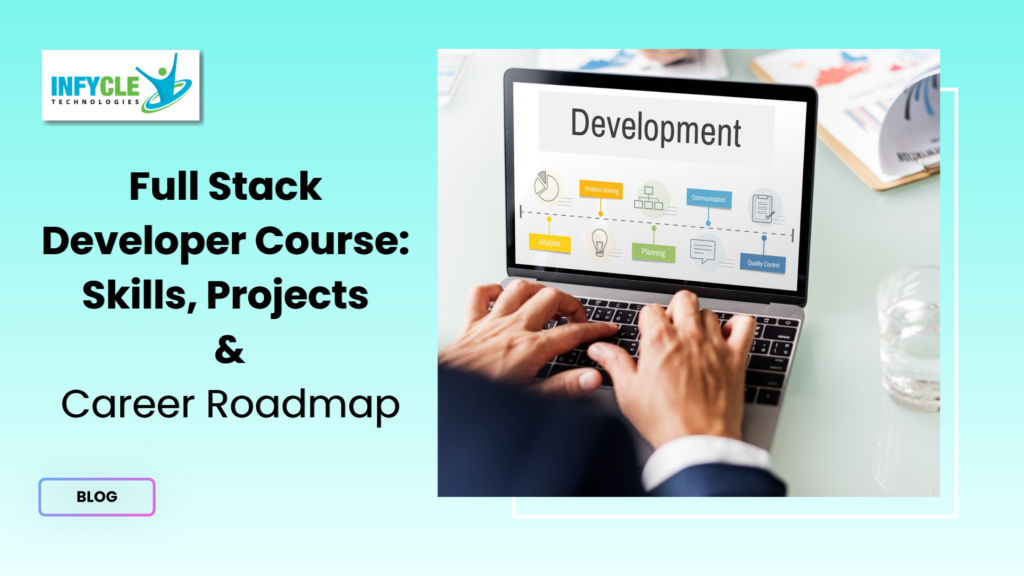
Full Stack Developer Course: Skills, Projects & Career Roadmap
Technology careers are no longer limited to computer science graduates. Across Chennai, students from Arts, Commerce, Science, and Engineering backgrounds are stepping into software development careers with practical training and project-based learning. What’s changing the game is accessibility. Learning platforms, real-time projects, and industry-focused programs now make it easier for beginners to enter the IT field confidently.
For many freshers, the biggest challenge is understanding where to begin and which skills actually matter in the current job market. A structured full stack developer course helps simplify that journey by teaching both frontend and backend technologies in a practical way. Instead of learning isolated programming concepts, students learn how to build complete web applications from scratch.
The demand for developers who can handle multiple technologies continues to grow in 2026. Startups, software companies, and even small businesses are actively hiring professionals who can build responsive websites, manage databases, and develop scalable applications. This has made full stack development one of the most practical career paths for beginners looking to build job-ready skills quickly.
Why Full Stack Development Is a High-Demand Career in 2026
The software industry has changed dramatically over the last few years. Companies are no longer looking only for employees with degrees; they are prioritizing practical skills, adaptability, and project experience.
Full stack developers are valuable because they can work on both:
- Frontend development
- Backend development
This flexibility helps companies reduce hiring costs while improving project efficiency.
According to recent hiring reports, demand for full stack developers is expected to remain strong due to:
- Growth of SaaS businesses
- AI-powered applications
- Expansion of eCommerce platforms
- Cloud-based software solutions
- Remote work opportunities
In Chennai, the startup ecosystem and IT sector continue creating opportunities for skilled developers who can work across multiple technologies.
What You Learn in a Full Stack Developer Course
A practical full stack developer course is designed to help beginners gradually move from basic coding concepts to advanced application development.
Rather than focusing only on theory, modern training programs emphasize hands-on implementation.
Frontend Technologies
Frontend development focuses on the visual and interactive parts of a website.
Students typically learn:
- HTML5
- CSS3
- JavaScript
- Bootstrap
- React.js
- Responsive web design
These skills help learners create websites that work smoothly across desktops, tablets, and mobile devices.
Backend Technologies
Backend development handles the server-side functionality of applications.
Common technologies include:
- Node.js
- Express.js
- PHP
- REST APIs
Students understand how applications process user requests, manage authentication, and connect with databases.
Database Management
Every web application relies on efficient data storage.
Learners usually work with:
- MySQL
- MongoDB
Understanding databases is essential for building scalable applications.
Version Control and Deployment
Modern software teams rely heavily on collaboration tools.
Students are introduced to:
- Git
- GitHub
- Hosting platforms
- Deployment workflows
These are important industry skills that improve employability.
The Importance of Building Real Projects
One reason many beginners struggle during interviews is the lack of practical exposure. Recruiters increasingly prefer candidates who can demonstrate project experience instead of only listing technologies on resumes.
A strong full stack developer course should include hands-on projects such as:
- Portfolio websites
- ECommerce applications
- Blog management systems
- Online booking applications
- Student management portals
These projects help students understand real-world debugging, user experience, database handling, and deployment processes.
Many hiring managers now review GitHub repositories and live project portfolios before scheduling interviews.
Career Roadmap for Beginners
Learning full stack development becomes much easier when broken into stages.
Step 1: Learn the Basics
Start with:
- HTML
- CSS
- JavaScript fundamentals
This stage builds the foundation for web development.
Step 2: Create Small Projects
Practice by building:
- Landing pages
- Personal portfolios
- Responsive websites
Small wins build confidence quickly.
Step 3: Learn Backend Development
Move into:
- Server-side programming
- APIs
- Database integration
This is where learners begin understanding complete application architecture.
Step 4: Build Advanced Applications
Develop projects with:
- Login systems
- Payment integrations
- Real-time features
- CRUD operations
Advanced projects strengthen practical knowledge significantly.
Step 5: Prepare for Jobs and Freelancing
Focus on:
- Resume building
- GitHub portfolio
- LinkedIn optimization
- Interview preparation
By this stage, learners become capable of applying for internships, freelance work, and junior developer roles.
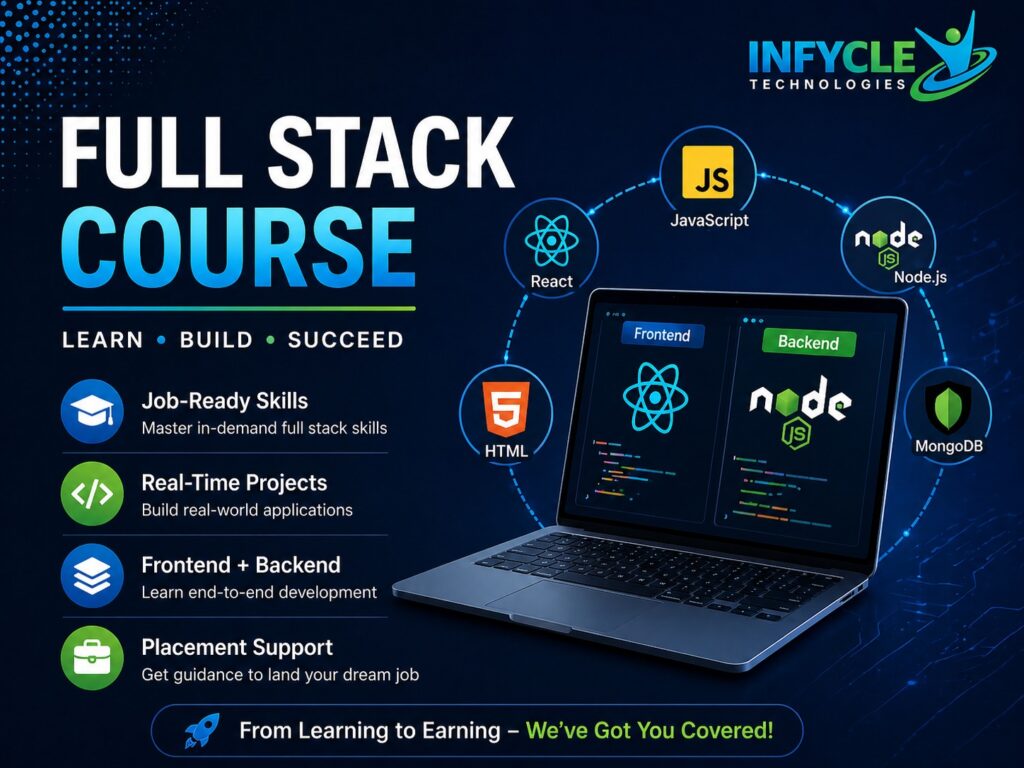
If you are serious about building a long-term IT career, practical training matters more than memorizing theory. Choosing a project-oriented learning environment can help you gain confidence faster and improve your chances during technical interviews.
Skills Companies Expect From Developers Today
Technology hiring trends in 2026 show that companies value adaptable developers who can work across different tools and frameworks.
Apart from coding, recruiters now look for:
- Problem-solving ability
- Communication skills
- API integration knowledge
- Cloud basics
- Team collaboration experience
Familiarity with AI-assisted coding tools is also becoming an advantage in many software roles.
Developers who continuously upgrade their skills remain highly competitive in the market.
Can Non-Technical Students Become Full Stack Developers?
Yes, absolutely.
Many successful developers started from:
- B.Com backgrounds
- BBA programs
- Arts degrees
- Career gaps
- Non-IT jobs
The biggest advantage of full stack development is that learning resources are now beginner-friendly and highly practical.
Students do not need advanced mathematics or prior coding experience to begin. Consistency, curiosity, and regular project practice matter far more.
A well-designed full stack developer course guides learners step by step instead of overwhelming them with advanced topics immediately.
Common Mistakes Beginners Should Avoid
Trying to Learn Everything at Once
Many beginners jump between multiple programming languages and frameworks too quickly.
Focus on mastering one learning path first.
Ignoring Practical Projects
Watching tutorials alone does not build confidence.
Projects create real understanding.
Not Building a Portfolio
A GitHub portfolio often matters more than certificates during hiring.
Avoiding Problem Solving
Coding becomes easier through practice and debugging.
Mistakes are part of the learning process.
Depending Fully on AI Tools
AI can help improve productivity, but developers still need strong fundamentals and logical thinking skills.
Why Chennai Is Becoming a Strong Destination for Tech Learning
Chennai has emerged as one of India’s growing technology education hubs. Students from different educational backgrounds are increasingly choosing Chennai for skill-based IT training because of its strong software ecosystem and placement opportunities.
Some major advantages include:
- Growing startup culture
- Presence of multinational IT companies
- Internship opportunities
- Access to technical workshops
- Affordable training programs
This environment creates better career opportunities for beginners entering software development.
Choosing the Right Learning Approach
Not all training programs provide the same value. Beginners should look for programs that focus on:
- Live projects
- Industry tools
- Practical assignments
- Mentor guidance
- Interview preparation
Many students today prefer learning environments that combine technical knowledge with real-world implementation because it improves both confidence and employability.
FAQ Section
1. Is a full stack developer course difficult for beginners?
No. Most beginner-focused programs start from basic concepts and gradually move into advanced topics with practical examples.
2. How long does it take to complete full stack development training?
Depending on learning pace and practice time, many students become job-ready within 6 to 9 months.
3. What projects should beginners build during training?
Beginners can build portfolio websites, blog applications, eCommerce platforms, and student management systems to gain practical experience.
4. Is coding experience necessary before joining a full stack developer course?
No prior coding knowledge is required. Many learners start as complete beginners and gradually build technical skills.
5. Are full stack developers in demand in 2026?
Yes. Companies continue hiring full stack developers because they can handle multiple development responsibilities efficiently.
Conclusion
Full stack development has become one of the most accessible and practical career options for beginners looking to enter the IT industry. With consistent learning, real-world projects, and hands-on practice, students from almost any educational background can build strong technical skills and create meaningful career opportunities.
The industry continues to value professionals who can adapt, solve problems, and build complete applications independently. For learners aiming to develop job-ready skills with practical exposure, enrolling in a Full Stack Developer Course in Chennai can provide the right combination of technical training and industry preparation.
Looking to start your software development journey with practical projects and expert guidance? At Infycle Technologies, students gain hands-on experience, portfolio-building opportunities, and career-focused learning designed to help beginners succeed in the modern IT industry.