How To Become An SAP Consultant With No IT Experience?

In today’s fast-paced digital economy, businesses depend heavily on integrated systems to manage day-to-day operations. SAP (Systems, Applications, and Products) stands at the forefront of enterprise resource planning (ERP), helping organisations streamline processes across finance, logistics, sales, and human resources. With global demand for SAP skills surging, becoming an SAP consultant is one of the most promising career paths — even for those with no prior IT experience. This blog provides a complete roadmap: from understanding SAP fundamentals to landing your first role, with actionable steps and resources to kickstart your journey.
Entering the world of SAP might seem daunting, especially if you come from a non-IT background. However, with the right training and mindset, breaking into this field is entirely achievable. Many aspirants begin with SAP FICO Training in Chennai, a course designed to build foundational knowledge in SAP’s finance and controlling modules. These modules are among the most widely used across industries and often serve as an entry point for those new to SAP. Learning through structured training helps demystify complex concepts, making them digestible and applicable to real-world business scenarios.
Why SAP Consulting Is A Great Career Choice
SAP consultants play a crucial role in helping organisations implement, customise, and optimise SAP solutions. They act as bridges between business requirements and technological solutions. With businesses increasingly adopting ERP systems, demand for skilled SAP professionals continues to rise.
Here’s why pursuing SAP consulting makes sense:
- High Demand & Lucrative Salaries: Global organisations across sectors require SAP consultants, meaning strong job security and attractive compensation packages.
- Versatility Across Industries: SAP is used in manufacturing, retail, healthcare, finance, and more — giving consultants diverse opportunities.
- Consulting & Freelance Options: Beyond full-time roles, experienced consultants can work independently or with consulting firms.
- Continuous Learning & Growth: SAP regularly updates its modules, providing ongoing opportunities for skill advancement.
Even without an IT degree, professionals with business, accounting, finance, or operations backgrounds hold an advantage — especially in modules like SAP FICO, SAP MM, or SAP SD.
Step-by-Step Guide to Transitioning into SAP Consulting
Let’s break down the path into clear, actionable steps:
1. Understand SAP And Its Modules
SAP software is vast. Rather than trying to learn everything at once, start by understanding:
- What ERP systems are and how they help businesses.
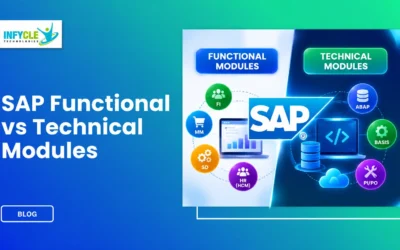
- Key SAP modules and their functions (e.g., FICO, MM, SD, HCM).
Choosing a module should align with your background. For example:
- Finance or accounting professionals can pursue SAP FICO.
- Supply chain specialists might choose SAP MM or WM.
- HR professionals can explore SAP HCM.
Taking introductory courses or watching explanatory videos can help you determine where your strengths and interests lie.
2. Take Structured Training
Self-study alone can be challenging without a roadmap. Enrolling in a structured SAP course gives you:
- A guided syllabus.
- Hands-on practice with real SAP systems.
- Expert mentorship and doubt-clearing sessions.
For those in Chennai or nearby regions, SAP FICO Training offers comprehensive lessons focused on both fundamental concepts and advanced practices. Such training programs often include practical case studies and industry-relevant projects, helping you build a portfolio that impresses employers.
3. Practice Hands-On In SAP Sandbox Systems
Theory without practice won’t make you job-ready. Seek access to SAP sandbox environments or practice systems where you can:
- Navigate real SAP interfaces.
- Execute transactions in your chosen module.
- Run reports and complete configuration exercises.
Some training providers include sandbox access with course enrollment. You can also explore online SAP practice platforms.
4. Build Foundational Business Knowledge
Consulting isn’t just about technical skills — it’s about understanding business processes. For instance:
- Accounts payable and receivable.
- General ledger operations.
- Financial reporting and budgeting practices.
Even if you lack IT experience, business acumen helps you understand how SAP solutions support organisational needs.
5. Get Certified
SAP certification validates your skills and boosts credibility. While not always mandatory, it significantly improves your chances of being shortlisted by recruiters.
Popular certification paths include:
- SAP Certified Application Associate – Financial Accounting with SAP ERP
- SAP Certified Application Associate – Management Accounting with SAP ERP
These certifications prove your capability in specific SAP domains.
6. Create A Strong Resume & LinkedIn Profile
As a beginner, focus on:
- Highlighting training, certifications, and hands-on projects.
- Showcasing any business/domain knowledge you possess.
- Including internships or volunteer experiences (if any).
Your LinkedIn profile should reflect your SAP skills and intention to work in consulting — recruiters actively search for candidates using targeted keywords.
7. Apply For Entry-Level Roles & Internships
Look for:
- SAP support or junior consultant roles.
- Implementation associate positions.
- Internships with SAP partners or consultancies.
Even roles in related business functions (e.g., finance analyst with SAP exposure) can be stepping stones to core SAP consulting opportunities.
8. Keep Learning And Networking
SAP is dynamic — new modules and updates regularly emerge. Join SAP forums, attend webinars, and connect with professionals in the field. Networking can open doors to mentorship and job referrals.
Overcoming Common Challenges
Transitioning into SAP consulting without IT experience comes with challenges — but none are insurmountable.
Lack Of Technical Background
Many SAP roles require understanding system configuration, data structures, and customisation. You can overcome this by:
- Choosing modules that align with your background (e.g., finance professionals choosing SAP FICO).
- Taking introductory IT lessons on databases, enterprise systems, and basic programming logic.
Competition In The Job Market
The job market is competitive, especially for non-IT entrants. To stand out:
- Build a strong portfolio of practical projects.
- Focus on certifications.
- Highlight business domain expertise.
Adapting To Complex Software
SAP software can be complex at first glance. Break learning into small milestones, practise consistently, and don’t hesitate to ask for help from mentors or peers.
Resources To Support Your SAP Journey
Here are some useful resources to deepen your understanding:
- SAP Official Learning Hub – Access learning materials and certification guides.
- YouTube Tutorials & Webinars – Free classes that explain SAP basics.
- SAP Community – Forums and blogs where professionals share insights and tips.
Using these resources, especially in combination with structured training, accelerates your growth.
Why Training And Support Matters
When starting from scratch, having instructors who can explain concepts clearly and answer questions in real time makes a huge difference. Local training centres in Chennai provide the benefit of face-to-face interaction, personalised doubt-solving, and peer collaboration.
Many aspirants also search for the Best Software Training in Chennai to enhance their overall IT and ERP knowledge. Choosing the right institute ensures you not only learn SAP but also understand complementary skills like data analytics, business process mapping, and reporting tools.
A quality training partner provides:
- Updated curriculum aligned with industry standards.
- Real project simulation.
- Assistance with interview preparation.
- Placement support and career guidance.
These advantages become particularly valuable for learners without a formal IT background.
Success Stories Always Begin With A First Step
Success stories in SAP always begin with a first step, and one of the most inspiring aspects of this journey is seeing how many successful consultants have transitioned from completely non-IT backgrounds, including finance graduates, commerce students, HR professionals, and supply chain executives. With dedication, continuous learning, and the right training environment, they were able to reshape their careers and secure strong positions in the SAP domain. Their growth highlights a few important lessons: choosing the right SAP module that aligns with your strengths, practising consistently to build hands-on confidence, and maintaining a mindset of continuous learning as SAP technology evolves. These key principles empower beginners to overcome initial challenges and step confidently into rewarding SAP careers.
Final Thoughts
Becoming an SAP consultant with no IT experience is challenging but absolutely possible. Your background can be your strength — whether it’s finance, operations, supply chain, or HR. With structured learning, hands-on practice, certification, and persistence, you can develop the technical and business skills needed to succeed.
If you’re serious about pursuing this path, start by exploring training options that offer clarity, mentorship, and real practice. Commit to continuous learning and don’t be intimidated by your lack of IT background — SAP thrives on business integration, and that’s where your expertise counts.
Conclusion
In summary, transitioning into an SAP consultant role without prior IT experience involves a clear progression: selecting the right module, acquiring solid training, practising hands-on, earning certification, and actively networking. With dedication and a strategic roadmap, you can unlock rewarding opportunities in one of the most sought-after ERP domains.
For those ready to begin this transformational journey, one excellent choice for quality ERP education is Infycle Technologies — known for its industry-focused training and supportive learning environment.